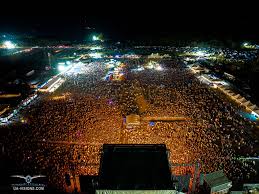
One of the yearly functions that I keep a CLOSE eye on is the annual festival that promotes and proliferates sobriety and has an overall goal to help every addict who is suffering from their own demons. Like me. I am one of them. I am an addict and an alcoholic, I am in recovery now for almost 6 years, and this function here means the world to me.
There are truly many huge problem areas all over America with issues that are being overrun by pills and heroin, which nowadays is all fentanyl and not real drugs anymore like I was into. I became familiar with this festival through another festival called Kickin it on the Creek. I was absolutely elated with the passion and the empathy that this organization puts into the human race, and that is the way it should be!
The lineups that this festival drops alone make it worth your while but the fact that your money goes into a really crucial situation in America. In order to rehabilitate people it costs money and resources. This project also assists with all of that. They basically run this entire festival as environmentally safe as possible.
If you enjoy people like Cole Chaney and Blackberry Smoke, then this is the festival for you my friends. Because not only does this one draw 20,000 people, it also draws the heavyweights like Molly Tuttle and more. If you do anything this year, make sure you do a day out there!

In 2025, Healing Appalachia brought together more than 25,000 attendees from 40 states and 7 countries for a weekend of music, community, and purpose. What began as a concert has evolved into a national movement—uniting recovery, culture, and economic revitalization across Appalachia.
This year’s festival generated over $2 million in net proceeds, positioning Hope in the Hills to reinvest the largest amount of funding in the organization’s history back into recovery programs, workforce development, and housing initiatives throughout the region.

Tourism and Economic ImpactWith more than 20,000 paid attendees, Healing Appalachia created an estimated $15–$20 million boost to the Tri-State economy—benefiting hotels, restaurants, and local businesses across West Virginia, Kentucky, and Ohio.The festival has become a cornerstone of regional tourism, drawing thousands of first-time visitors to Appalachia and showcasing how community-driven recovery initiatives can also power economic renewal. |

| Following the festival, Hope in the Hills launched the Giving Appalachia Monthly Giving Club, a new initiative providing recovery-housing scholarships to individuals in need of financial assistance to continue their recovery journey. In just over a month, the program has already awarded more than 40 recovery-housing scholarships, helping people across Appalachia access safe, certified homes and maintain stability on their path to wellness. |